
Sunday, July 15, 2012
Frock Coats

Saturday, July 14, 2012
Soviet Fashion In Its Infancy
The old fashions of imperial Russia were discarded because they were considered a symbol of the bourgeois and aristocracy. Military leaders of the Soviet Era in its infancy mostly wore military garb, a captain's hat, long trench coat and boots.
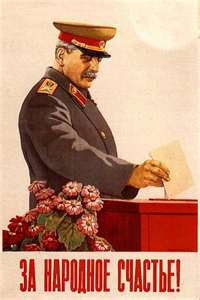


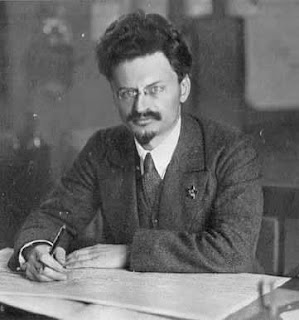


Soviet fashion for intellectuals included a simple three piece suit and tie, often worn with an overcoat and fur or woolen hat.


Soviet fashion for peasants and working people did not change at all. The only difference between the soviet government and the imperial government of old was the celebration of the plainness of working men and women. Propaganda depicted peasants and working people in the backdrop of a field or industrial area, workers holding hammers and peasants holding the sickles, hence the combined sickle and hammer that is usually seen on the red Soviet flag. Blue symbolizes purity.


Josef Stalin usually depicted himself in plain attire amid the masses. Such a visual made him seem ordinary and no different than the rest of the populace. This allowed the Russian public to become closer to Stalin as a leader.


Gothic Victorian
Gothic Victorian fashion is a part of the Goth scene that involves a fascination with all things Victorian. Steampunk is also another subculture that it involves a fascination with Victorian wear combined with a variation on future technology and science fiction, but sometimes both gothic Victorian and Steampunk fashion can be blended. Gothic Victorian fashion mostly involves women’s clothing but male, Victorian fashion is part of the movement as well. Gothic Victorian fashion combines old Victorian style with a modern, gothic twist. Pale skin and dark makeup goes along with gothic Victorian, but the makeup aspect slightly departs from traditional Victorian aesthetic since women at that time period only wore light makeup that blended well with their skin tone.
The Goth Victorian wardrobe includes gowns, corsets, hats and gloves. Many make their own Victorian dresses and gowns while invoking their creative take on the period. Gothic Victorian draws on the 18th century use of heavy makeup and pale skin, only Gothic Victorian makeup is darker than what men and women wore in the 1700s. There are all kinds of models and Victorian enthusiast who sport the gothic Victorian look. Gothic Victorian can also be seen in the Lolita scene from Japan, namely called Gothic Lolita. The Victorian Goth look is part of a person’s creativity, passion and interests in history as well as the gothic lifestyle. There is a certain, classic beauty and elegance when it came to Victorian fashion which explains why the fashion has become adopted in a modern world with Steampunk, Goth and Lolita fashions.


1930s Shoes for Women
1930s shoes varied for women. In light of Hollywood glamour and fashion, many women were looking to escape the ills of the 1930s which was plagued by the Depression and the world tension that would eventually lead to World War Two.


There was the peep toed shoe which is still popular today. We may think of it as a simple design, but back in the 1930s, exposed parts of any portion of the foot feet was considered risqué for its time. Platform shoes also became popular which also become popular in the 1970s. Celebrities like Judy Garland would help bring platform shoes into popularity.

Sandals were also another one of 1930s shoes which entered the mainstream. They were not only worn in the day, but became acceptable evening wear. They came in elaborate designs with a strap for the heel. This would be the decade when more relaxed footwear became acceptable and would come to set the standard for modern footwear of the modern and post modern eras.

Wedge heels were designed because of the shortage of leather. The sole of wedge heels were made of cork and wood materials. Cork was preferred since it was lighter. Wedge heels were great alternatives for heels because they were the lighter and gave proper balance and height to women.

Mansonite Fashion
Mansonite fashion is a term used to describe followers of the rock performer Marilyn Manson. Typical styles of mansonite fashion included band t-shirts of Marilyn Manson, fishnets, heavy eyeliner and black lipstick. In the mid nineties, Marilyn Manson's fanbase was growing with no signs of waning, especially when his album, Anti Christ Superstar hit stores in 1997. While Mansonite fashion is similar to gothic fashion, many goths shun Mansonsites as wannabes or posers. The same applies to so called ninnies, or die hard fans who listen to the rock band Nine Inch Nails.
Mansonite fashion became a way for young, disaffected kids to express their inner angst. Mansonite fashion was no different than fashion worn in previous decades by young people who were angry at the system and dissatisfied with society. It was also a way for fans of Marilyn Manson's music to express their creativity, interests and individuality.
The media became obsessed with Marilyn Manson's music and started targeting his fans. Society used Marilyn Manson as a scapegoat in blaming all the ills of society on his music and this especially became evident in the Columbine shooting massacre of 1997. The media barraged the singer with criticism, accusing him of indoctrinating children and making them to commit violent acts. Marilyn Manson and his fans were showcased on nearly every media circuit: talks shows and headline news.
Mansonite fashion became a way for young, disaffected kids to express their inner angst. Mansonite fashion was no different than fashion worn in previous decades by young people who were angry at the system and dissatisfied with society. It was also a way for fans of Marilyn Manson's music to express their creativity, interests and individuality.
Victorian Shawls

Pistol Cane

Imagine yourself a Victorian gentleman walking through a dark alley of East London and a man with a potato sack for a mask springs out of nowhere with a pistol in hand and you don't know what he's about to do next. This is where the pistol cane would come in. The pistol cane would come in different formats: the gun itself being the handle of the cane for a gentleman to detach and fire quickly, or the long barreled pistol cane which only required a pulling back of the cane trigger and pointing the tip of the cane for firing and another being an attached pistol itself crafted on the cane handle. In an age of sneak thieves and highwaymen, a gentleman always had to be prepared and many of the wealthy had gunsmiths blend their walking canes with a fully functioning pistol. They varied from one shot mechanisms to a pepper-box pistol with multiple firing potential. These types of pistol canes were not in mass produce and depended very much on the person commissioning a cane pistol according to their specifications. This type of weapon was great for travelling business who were not familiar with a particular area or a gentleman strolling through London with his lady.
Cane pistols are sought after by gun collectors worldwide and you would be lucky if you could find a genuine cane pistol that would still fire today.
Subscribe to:
Posts (Atom)